
How 1950s Housewives Burned Thousands of Calories Without Ever Setting Foot in a Gym
Back in the day, women burned significantly more calories than we do today — largely because they spent countless hours completing every single housekeeping task by hand. Anyone who’s ever managed a large household understands just how physically demanding this can be. But the sheer number of calories they burned daily is nothing short of remarkable.
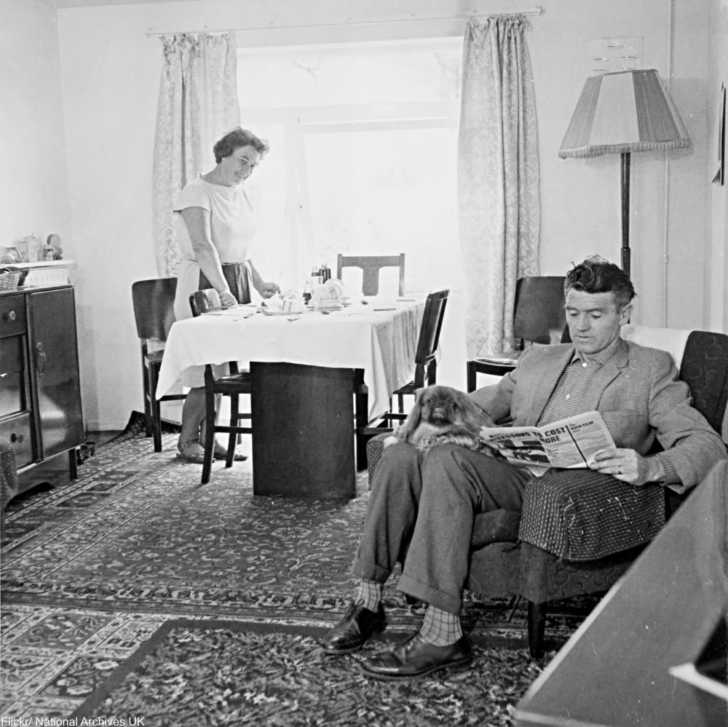
If you’ve ever wondered how housewives of previous generations stayed so trim, here’s the answer: housework was their most effective full-body workout.
Without modern conveniences, daily tasks were much more labor-intensive. More ironing, heavier cleaning tools, and fewer time-saving appliances meant achieving a spotless home required significantly more effort — yet their homes were often much cleaner than ours today. Even routine errands like grocery shopping burned calories, especially since many women walked to local stores several times a week.
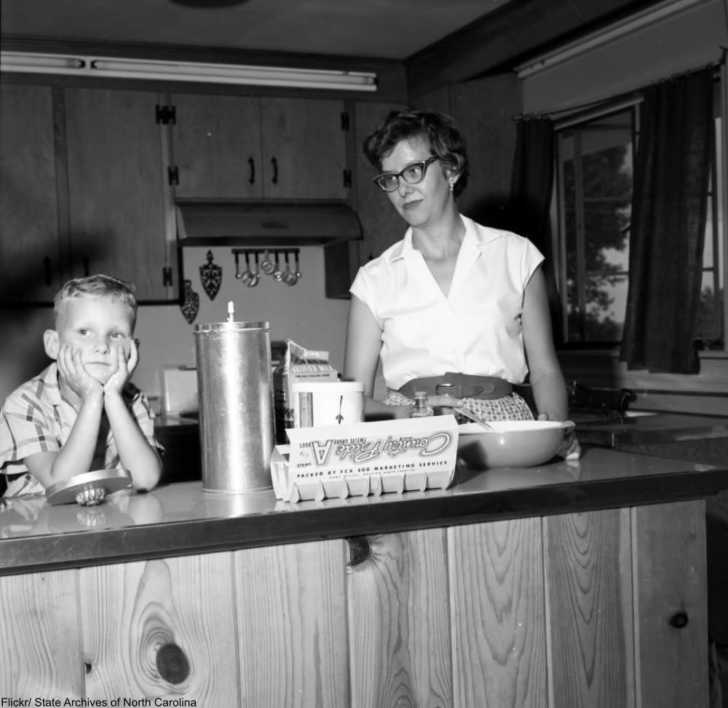
A Full-Time Workout
Women in the 1950s spent an average of 6 to 8 hours per day — sometimes more — on physical household work. That’s the equivalent of a full-time job! Today, estimates suggest housework burns about 150 calories per hour. Multiply that by eight hours, and that’s 1,200 calories burned in a single day — before accounting for basic survival functions or any recreational activities.
Housewives filled their days with cooking, cleaning, chopping wood, ironing, vacuuming, sewing, and countless other tasks. And they did it all without the help of lightweight vacuums, anti-bacterial wipes, Swiffers, or other modern labor-saving devices.
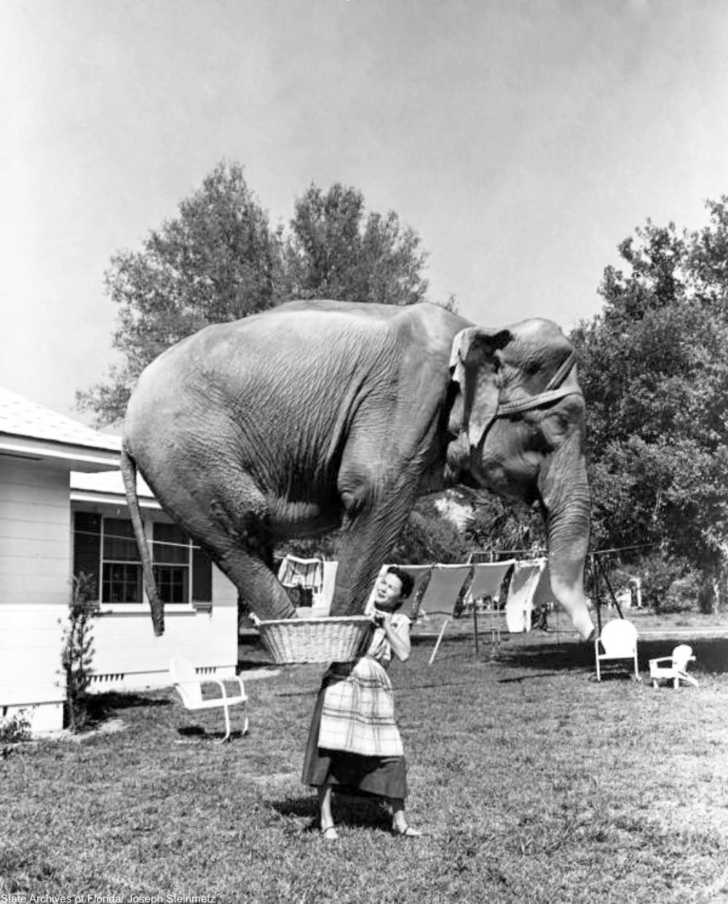
The Equipment Made a Big Difference
In the 1950s, labor-saving gadgets were just becoming available to the average home — and many families couldn’t yet afford them. Using a 1950s vacuum, for example, burned more calories than today’s models due to its heavier materials and less efficient design.
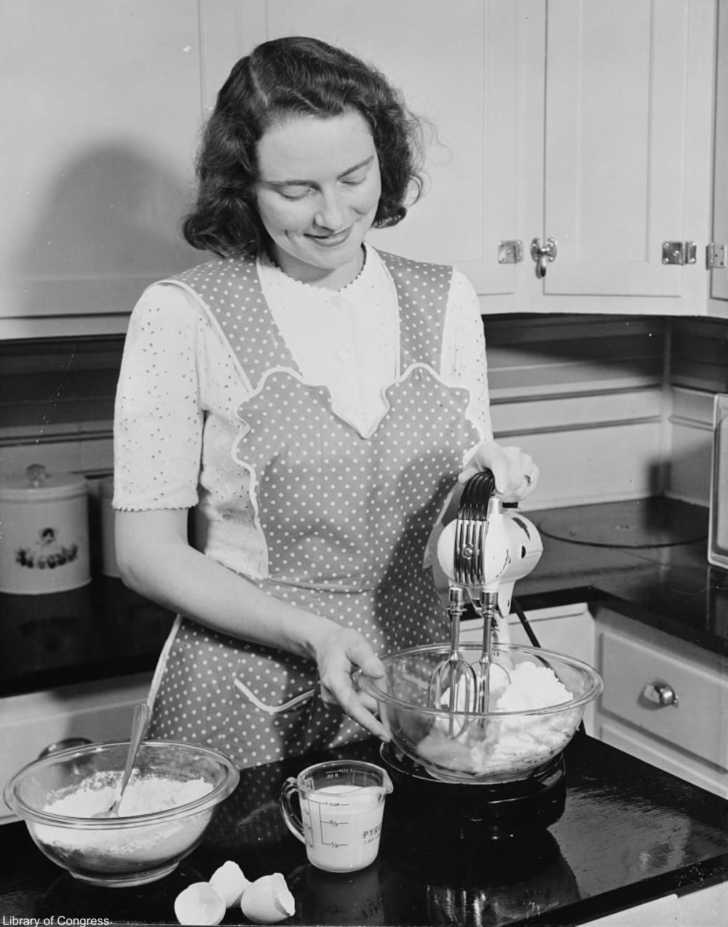
The same was true for mopping, scrubbing floors by hand, and even preparing meals. Without food processors, electric mixers, or modern coffee makers, even basic meal prep could take twice as long and burn twice as many calories.
Cooking today burns around 50 calories every 20 minutes. Preparing a 1.5-hour dinner could burn around 225 calories — likely even more back in the 1950s, with all the manual labor involved.
Laundry Was a Workout Too
By the 1950s, some households had washers but few had dryers. That meant clothes were typically wrung out by hand and hung to dry, which burned a significant amount of energy. Laundry chores — washing, drying, ironing, folding, and putting away — could easily burn between 70 and 250 calories per hour, depending on the method and workload.
Sewing, Mending, and Ironing
Ironing for 15 minutes burns roughly 40 calories. And back then, ironing wasn’t a once-in-a-while task — it was part of the weekly routine, often taking an hour or more to press the entire family’s wardrobe.
Repairing and mending clothes was another calorie-burner. Unlike today, when a small hole often means tossing an item out, 1950s housewives patched, re-fitted, and repurposed clothing for other family members. Hand-sewing burned around 34 calories per hour, even while sitting.
Cleaning Was a True Workout
How many of us do a full, deep clean every week — and with hand tools and scrub brushes, no less? That was the norm for housewives in the past. Floors were scrubbed on hands and knees, windows cleaned regularly, and silver polished with care.
Scrubbing floors alone burned nearly 200 calories per hour. Cleaning windows burned about 153 calories per hour, and dusting another 100 calories. Even making beds, which burned around 10 calories every five minutes, added up to a surprising amount over the course of a day.
Even “Rest” Was Active
True leisure time was rare. Even in the evenings, women often embroidered, knitted, or tackled light chores. Saturdays were for cleaning, and Sundays — though lighter — often still involved hosting family dinners after church. Lazy days spent lounging on the couch were simply not part of the lifestyle.