
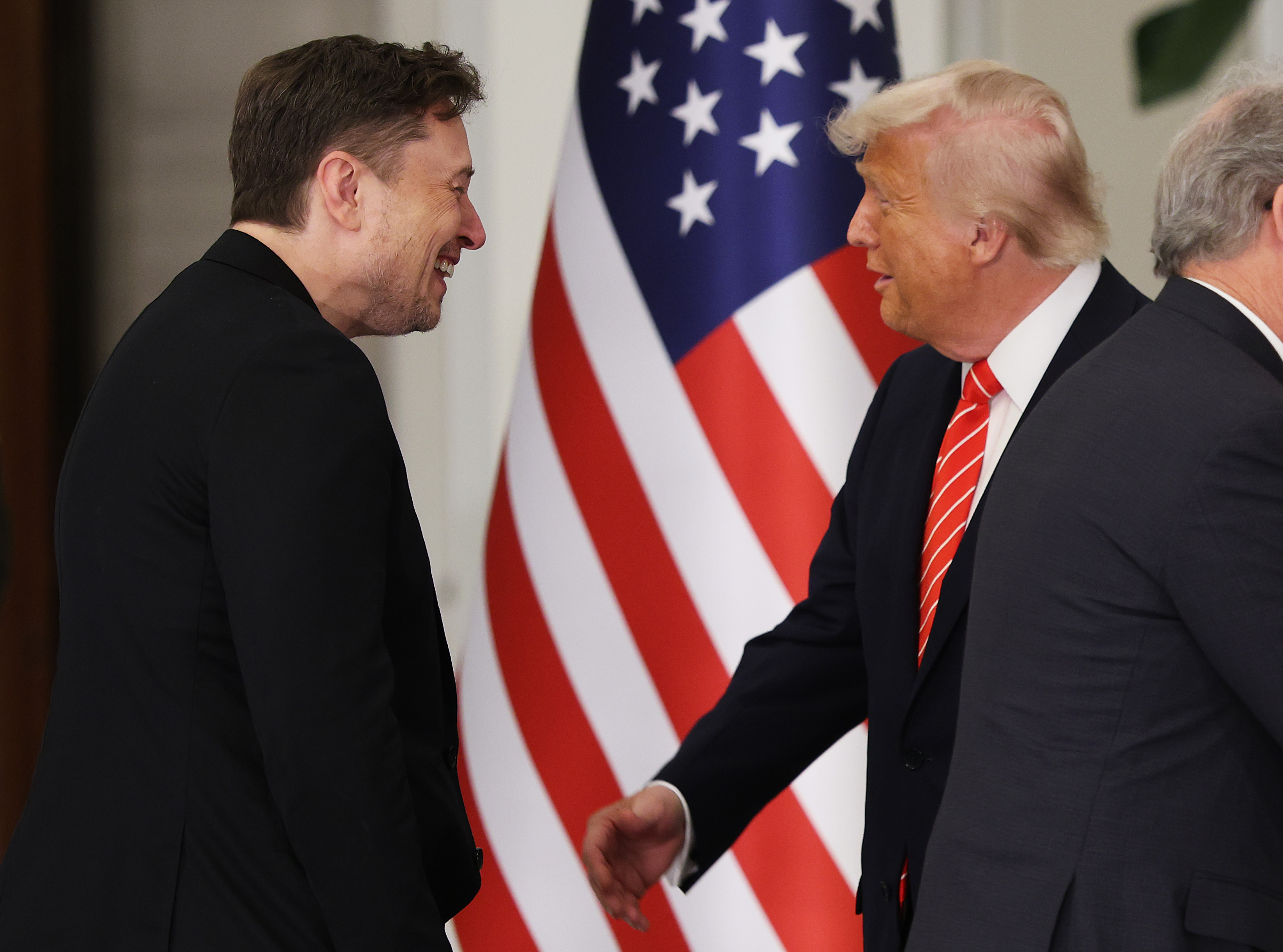
President Donald Trump and White House Senior Advisor Elon Musk, 2025 | Source: Getty Images
Elon Musk has officially resigned from President Donald Trump’s administration following the announcement of a new bill proposed by the president. Musk stepped down shortly after publicly voicing his concerns about the legislation.
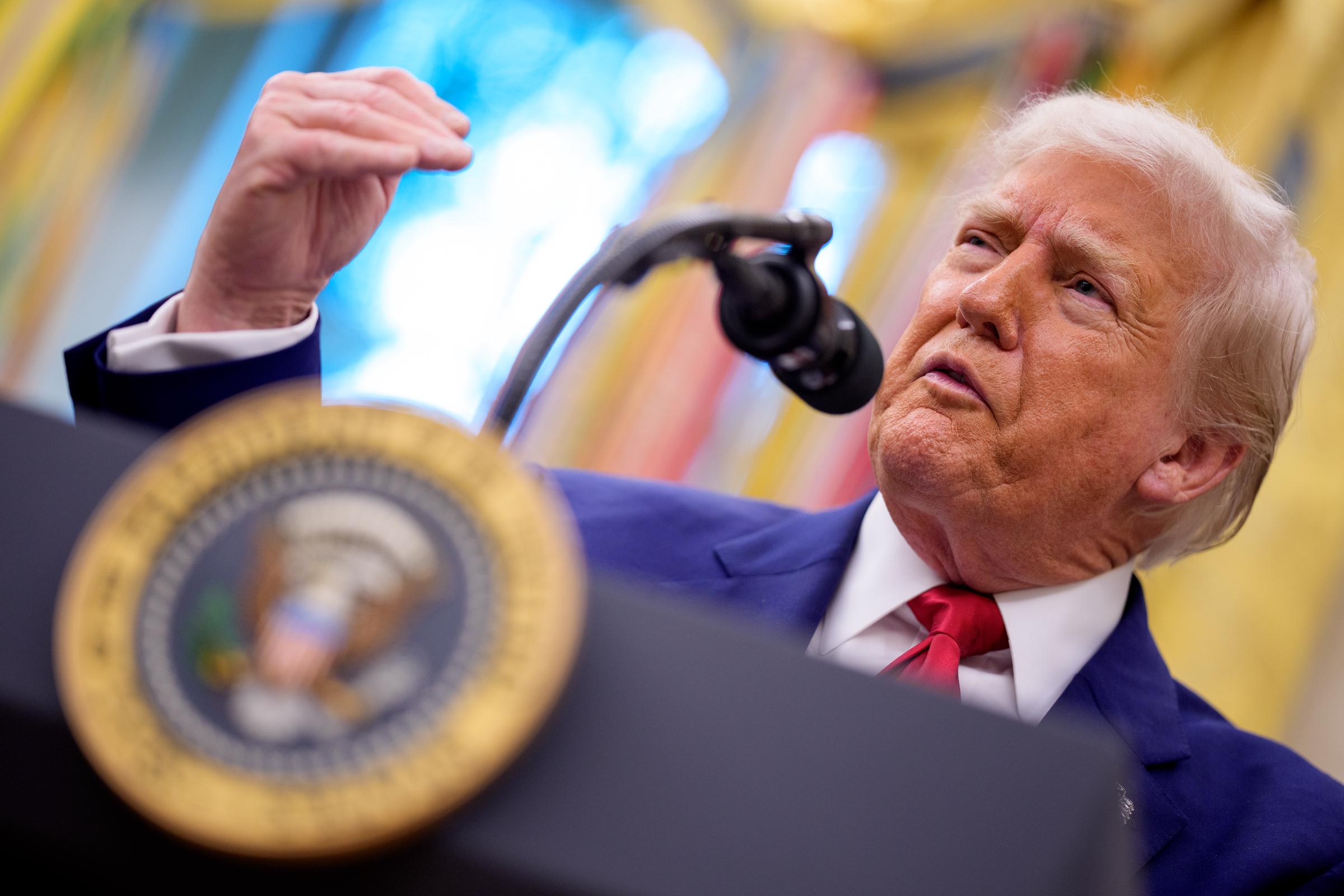
At a press conference on May 28, 2025, held in the Oval Office, President Trump addressed questions from reporters regarding Musk’s criticism of the “One, Big, Beautiful Bill.” The president postponed the swearing-in of Jeanine Pirro as Interim US Attorney for the District of Washington to discuss the issue.
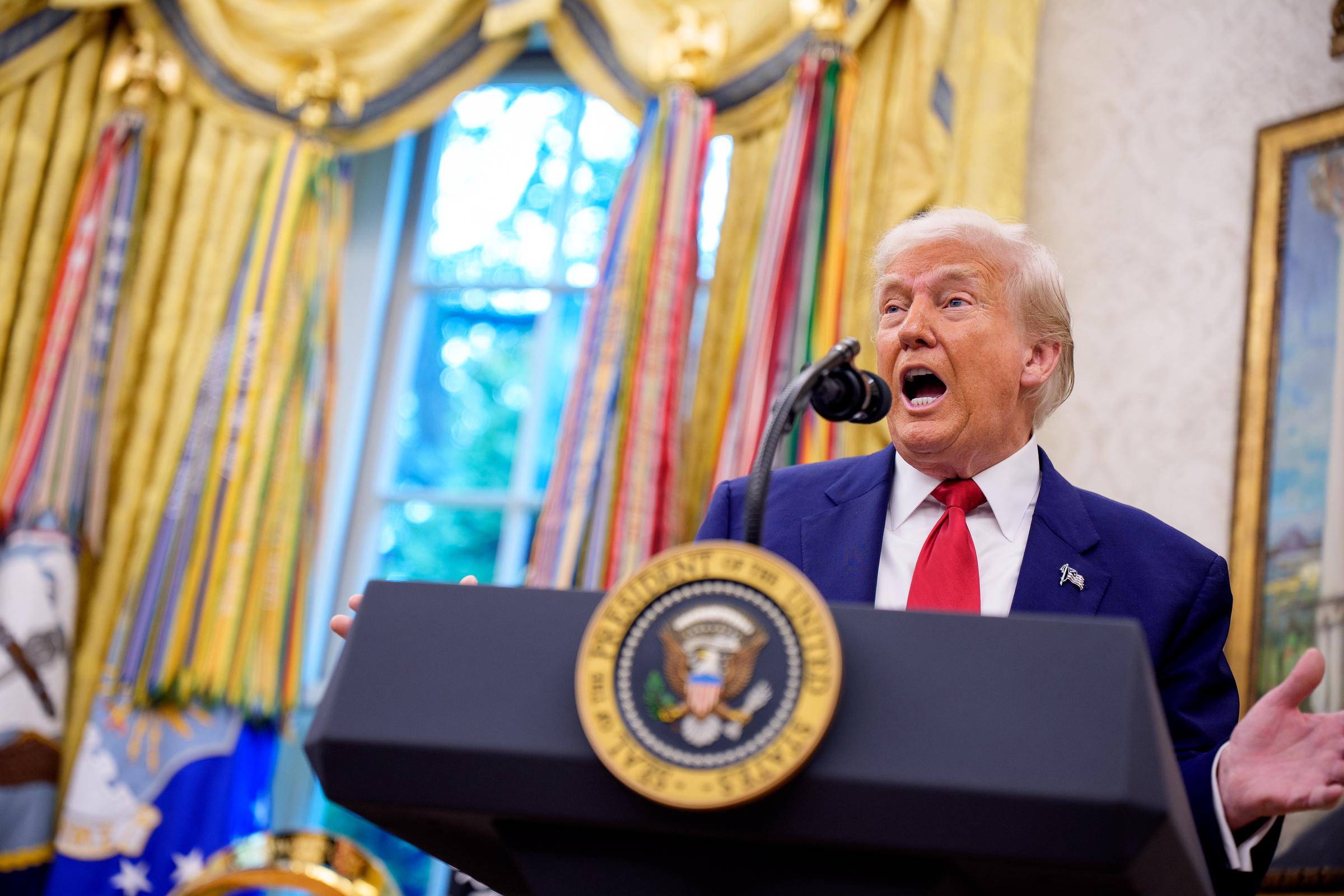
During the ceremony, Trump responded to a reporter’s question about Musk’s comments from a television interview, in which the Tesla CEO expressed disappointment that the bill didn’t cut enough spending and undermined the efforts of DOGE — the Department of Government Efficiency, which Musk led.
Trump said, “Well, my reaction is many things. First, we need a lot of votes. We can’t just focus on cuts; we need broad support, and we have plenty. The bill had to pass the House.”
He added, “There are no Democrats backing it. If the Democrats had their way, taxes would increase by 65 percent. Without approval, this country faces a massive tax hike and other serious problems — almost worse than that.”
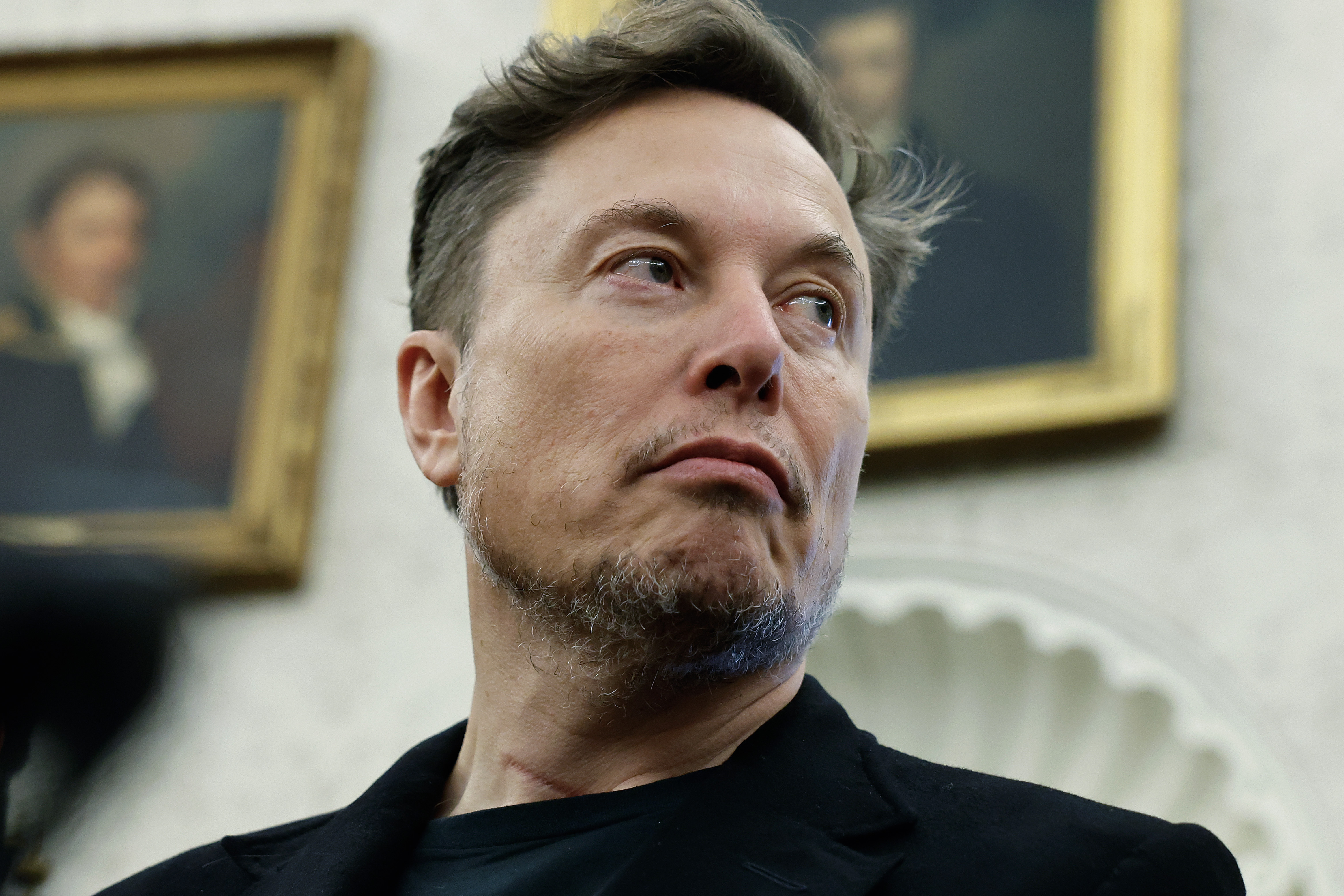
The president continued, “But we’re choosing a 65 percent increase over the largest tax cut in U.S. history.” He acknowledged he was “unhappy with some parts” of the bill but “very pleased” with others.
Explaining the bill’s title, Trump said it was called “beautiful” because of the significant tax cuts it offers, promising “the lowest tax rates ever seen in our country’s history” and substantial benefits for middle-income families.
The Senate is reportedly negotiating with Trump and his team to move the bill forward. Speaking on “CBS Sunday Morning,” Musk criticized the legislation, calling it a “massive spending bill” that actually increases the deficit and contradicts the goals of DOGE.
If enacted, the bill would reportedly undo all of DOGE’s achievements within a year. Musk remarked, “A bill can be big or beautiful, but I’m not sure it can be both — that’s just my opinion.”
Musk’s critical comments coincided with his announcement of leaving DOGE. On the same day as Trump’s press conference, Musk posted on X (formerly Twitter), saying, “As my time as a Special Government Employee ends, I want to thank President @realDonaldTrump for the chance to reduce wasteful spending. The @DOGE mission will grow stronger as it becomes embedded in government culture.”
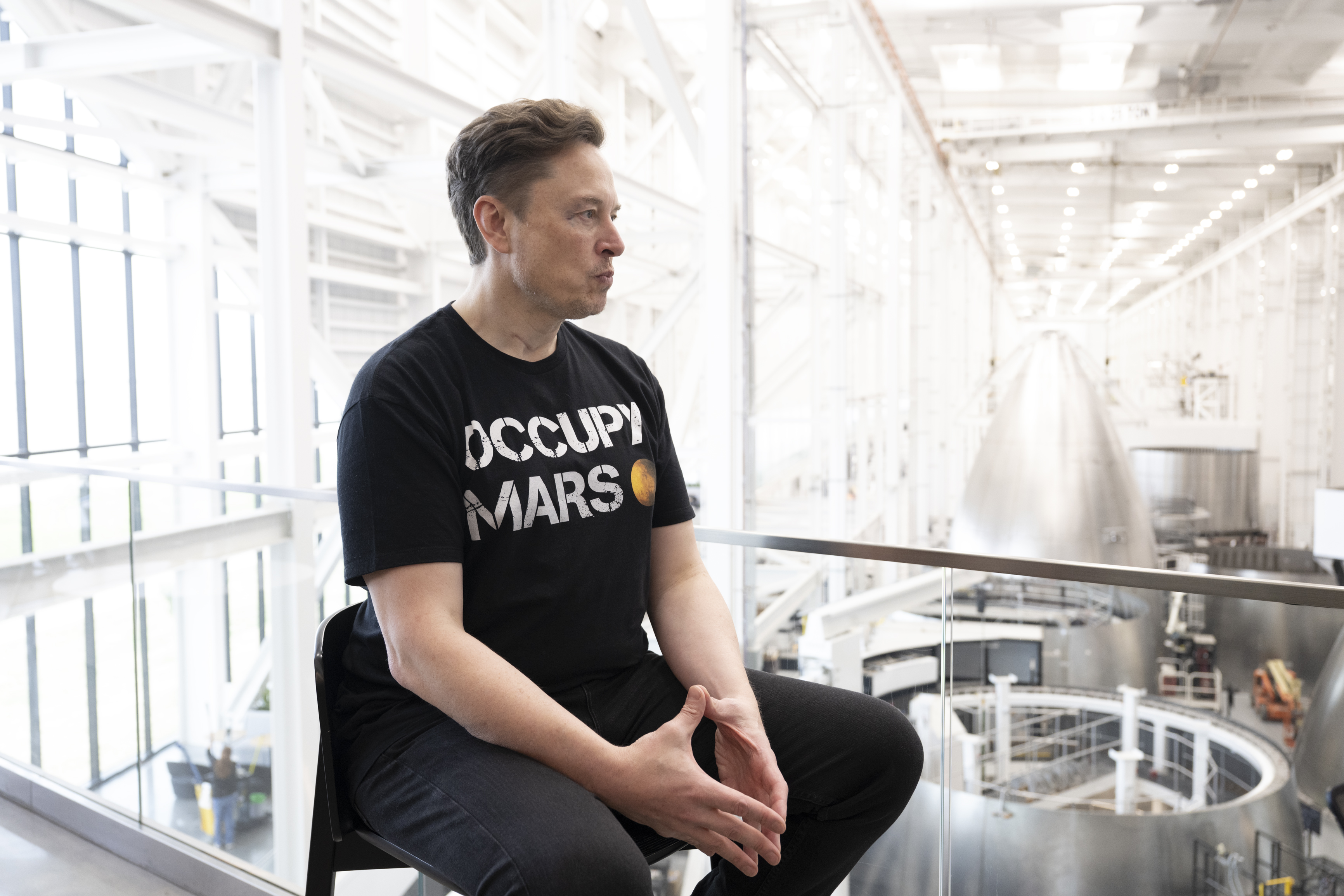
He further criticized the federal bureaucracy as more challenging than expected, calling reform “an uphill battle in D.C., to say the least.”
Musk expressed frustration over DOGE being blamed for issues beyond its control, saying, “DOGE is becoming the scapegoat for everything. If anything goes wrong anywhere, we get the blame even when it’s unrelated.”
He also commented on the backlash against his companies, mentioning incidents where Tesla vehicles were set on fire, saying, “Why would someone do that? It’s really uncool.”
In an earlier April 2025 interview, Musk had already indicated plans to focus more on Tesla and reduce his DOGE involvement. Despite Tesla’s sharp drop in first-quarter profits, Musk remained optimistic about the company’s future.
Musk’s role at DOGE was always temporary. The department, a government effort to streamline spending, ended his special government employee term after 130 days.
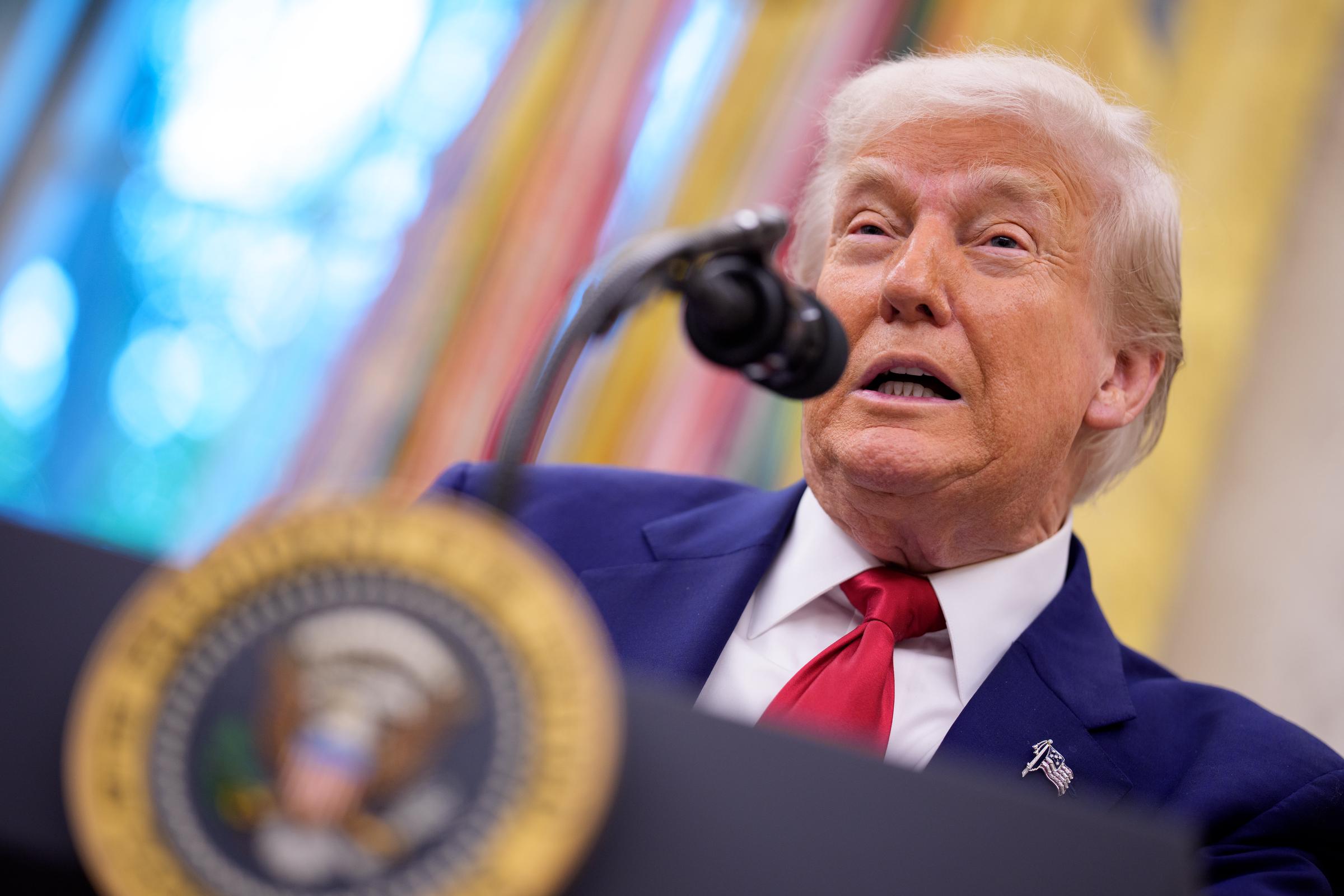
In an April meeting with DOGE members, Musk expressed confidence the team would cut the federal deficit by $1 trillion in that timeframe. Trump had hinted at Musk’s departure in March, praising his contributions while acknowledging Musk’s commitments to Tesla.
Though Trump called Musk “amazing” and “very smart,” he said Musk needed to return to his company. Trump credited Musk’s leadership for uncovering financial irregularities “nobody could believe.”
House Republicans narrowly passed Trump’s “one big, beautiful bill” after last-minute tweaks to secure party support. The bill, part of Trump’s second-term agenda, now moves to the Senate.
The legislation extends the 2017 Tax Cuts and Jobs Act and introduces new tax benefits: untaxed tips and overtime pay through 2028, a $10,000 deduction on US-made auto loans through 2029, and elimination of a $200 tax on gun silencers.
The child tax credit increases by $500 to $2,500 through 2028. A 3.5 percent tax on remittances by non-citizens is introduced. Medicaid changes include work requirements for able-bodied adults aged 19 to 64 by 2026, more eligibility checks, reduced funding for states covering undocumented immigrants, and a ban on gender transition coverage.
The bill raises the State and Local Tax (SALT) deduction cap to $40,000 for households earning up to $500,000, appeasing blue-state Republicans. It allocates $46.5 billion for border wall construction, $4.1 billion for Border Patrol hiring, over $2 billion in bonuses, a $1,000 asylum application fee, and $12 billion more for security.
“Trump accounts,” funded with $1,000 for children born from 2024 to 2028, allow parents to contribute up to $5,000 annually. These funds can be used starting at age 18 for education, training, or buying a home, taxed at long-term capital gains rates.
The bill extends Supplemental Nutrition Assistance Program (SNAP) work requirements from age 54 to 64 for able-bodied, childless adults, shifting more costs to states. It reduces clean energy tax incentives, phasing out credits for clean vehicles and facilities unless construction begins soon. Nuclear projects remain exempt.
New annual federal fees include $250 for electric vehicles and $100 for hybrids. The bill also raises the debt ceiling by $4 trillion through a budget measure that bypasses Democratic negotiations.
Elon Musk’s resignation signals a major development in the debate over government spending reform. As Trump’s bill progresses, the future influence of DOGE remains uncertain.