
Cast iron skillets are treasured kitchen tools thanks to their toughness and versatility—perfect for cooking everything from seared meats to fluffy cornbread. When properly maintained, they can be passed down through generations. However, not every food is ideal for cast iron. Cooking certain items can damage the seasoning, leave behind unwanted tastes, or even cause the pan to rust. To keep your skillet in great condition and preserve its flavor-enhancing qualities, here are the foods best left to other cookware:
Acidic ingredients such as tomatoes, citrus juice, and vinegar are tough on cast iron. They can erode the seasoning layer and give your meals a metallic tang. While quickly cooking tomato-based dishes in a well-seasoned pan may be okay, slow-simmered sauces and acidic stews are better off in stainless steel or enameled cast iron pots.
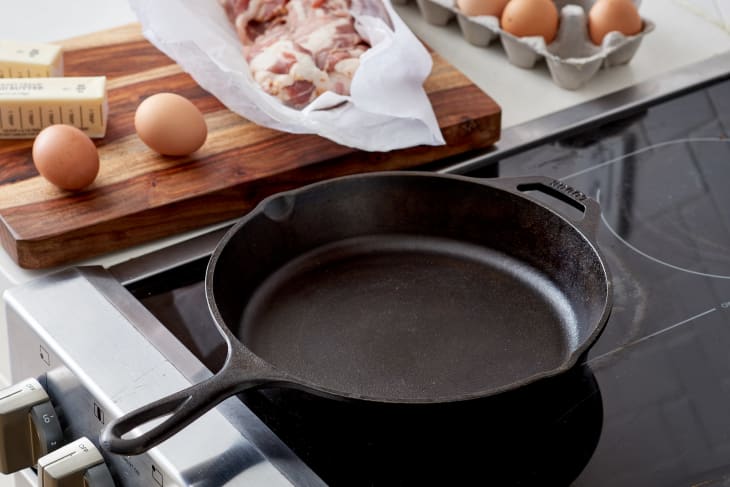
Tender fish like tilapia, sole, or flounder often stick to cast iron’s coarse surface and can easily break apart under high heat. These delicate fillets are best prepared in a nonstick or stainless steel pan to keep them intact and avoid lingering odors.
Sugary sauces—like teriyaki or honey-based glazes—can wreak havoc on your skillet. The sugars can scorch and bond to the surface, damaging the seasoning. Unless your pan is extremely well-seasoned, it’s safer to make sticky sauces in nonstick cookware.
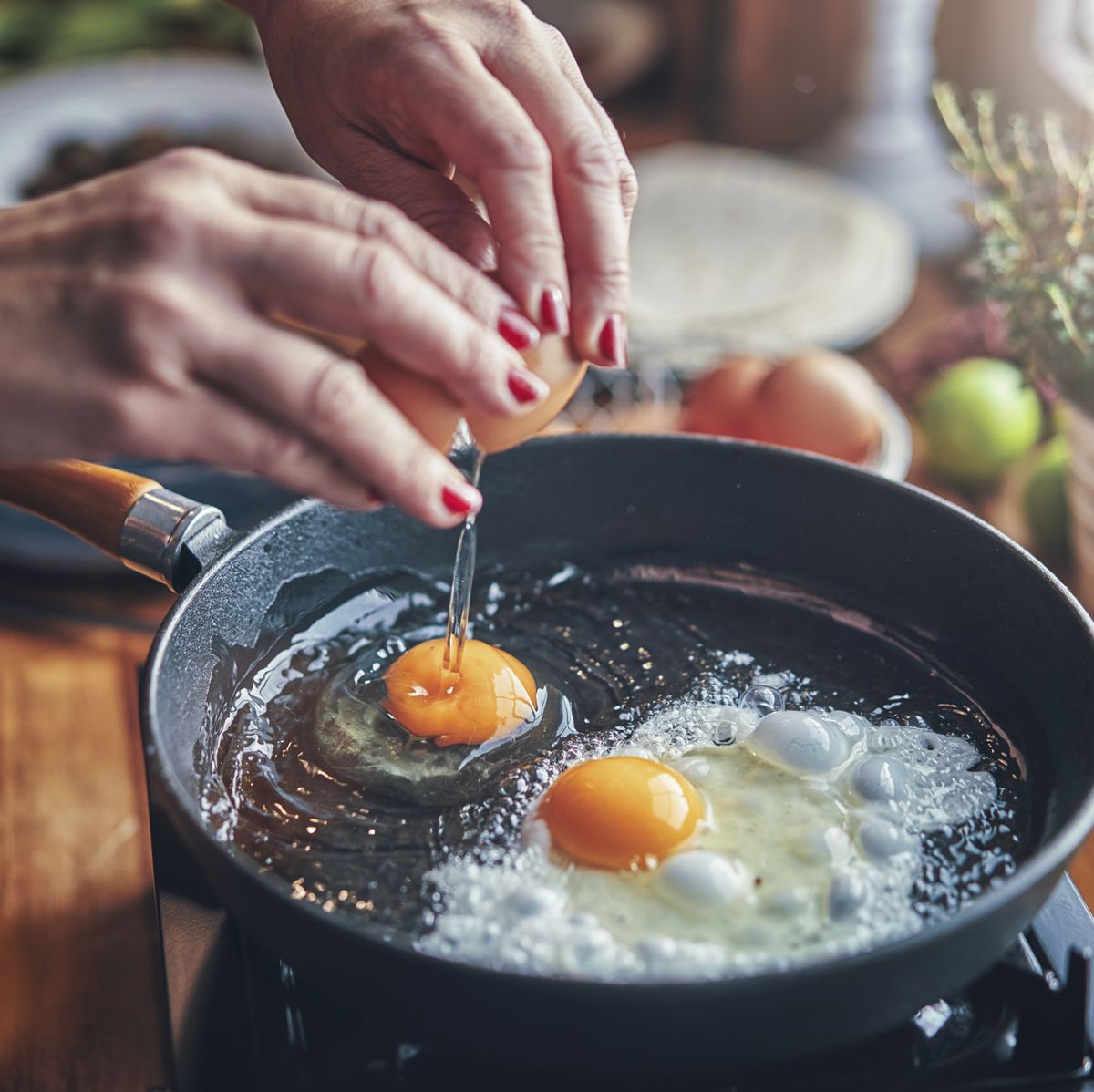
Cooking eggs can be hit-or-miss. Without a flawless seasoning layer, eggs tend to cling to the surface, making cleanup difficult and potentially harming the pan’s finish. Stick with a nonstick pan for eggs until your cast iron is fully seasoned and reliably nonstick.
Pungent or heavily spiced dishes, such as garlicky stir-fries or curry, can leave lingering flavors that affect whatever you cook next. If you bake in your cast iron, the last thing you want is garlic-infused brownies. To avoid this, deep-clean the pan after strongly flavored meals, or use separate skillets for savory dishes and sweets.
Baking desserts in cast iron can be wonderful—provided the pan is spotless. Leftover flavors from bacon or onions can carry over into your cakes or cobblers. To avoid odd flavor combinations, consider dedicating one skillet to baking and another to everyday cooking.
Boiling or steaming foods in cast iron is not recommended. Prolonged exposure to water can strip away the seasoning and lead to rust. If you’re boiling pasta or steaming veggies, it’s best to use stainless or enameled cookware instead.
Don’t store food in the pan, especially anything moist or acidic. It can ruin the seasoning, cause rust, and affect the taste of your leftovers. Always move leftovers to proper storage containers and wash your skillet right away.
Avoid thermal shock by never pouring cold liquids or adding cold food to a hot cast iron pan. Sudden temperature changes can crack or warp the metal. Let your pan cool down naturally before rinsing and always warm it up gradually.
To keep your skillet performing at its best, make sure it’s completely dry after washing, lightly oil it, avoid soap when possible, and store it in a dry spot. Steering clear of these common mistakes will help your cast iron skillet remain a durable, dependable kitchen essential for many years to come.