
Diana was already struggling with deep sadness when she experienced her worst fear—seeing her husband, Hamilton, kissing her sister, Evie. Overwhelmed, she turned to her therapist, Dr. Carrey, for support. But what began as a routine therapy session soon took a chilling turn when the doctor discovered something disturbing on Diana’s phone.
It all began when Diana came home and overheard Hamilton and Evie talking in the bathroom. Peering through the partially open door, she caught a reflection of them kissing in the mirror. Her heart stopped. Shaking, she backed away before storming in and yelling, “Hamilton! I saw you two! Come out now!” But when she burst into the bathroom, Hamilton stood there alone.
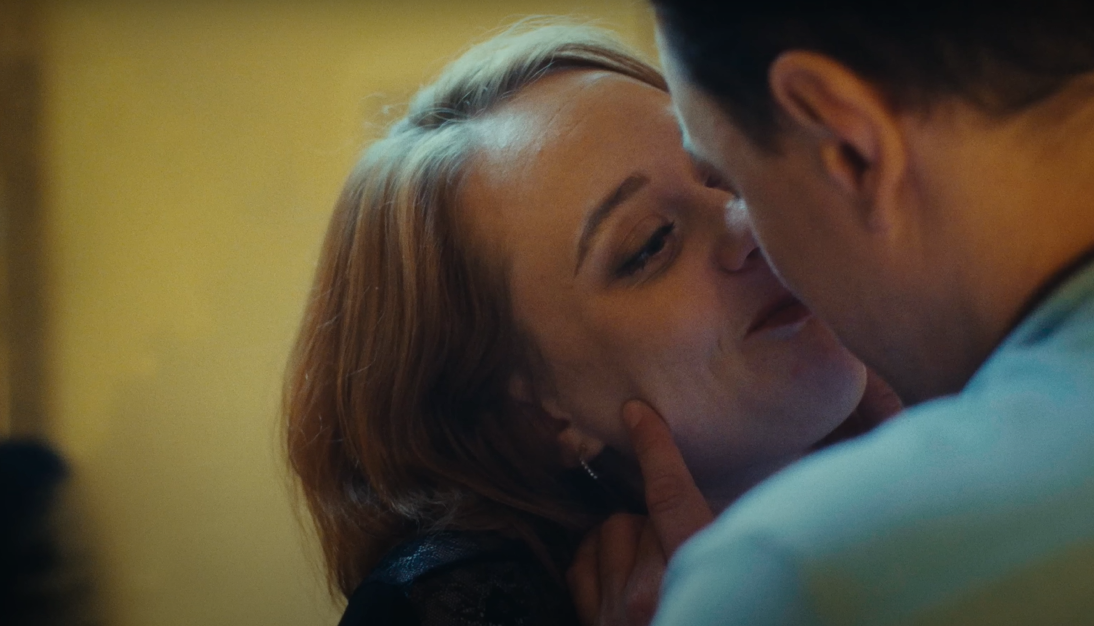
“She’s not here, Diana,” he told her calmly. “This always happens after you’ve seen your therapist. I was planning a surprise for you. Please stop doing this to yourself—and to me.”
Diana was stunned. She frantically searched the bathroom and the rest of the house but couldn’t find Evie. “You see? There’s no one here,” Hamilton insisted. Though part of her wanted to believe him, a splash from the tub startled her. Racing back, she found nothing. “I heard something,” she murmured, confused.
Hamilton tried to calm her. “You need to rest.” Diana, now questioning her own sanity, whispered, “I thought I saw Evie.” She felt disoriented and vulnerable. Hamilton offered to draw her a bath with her favorite scent, and she agreed, sensing his concern. But once in the bathroom, her anxiety returned—on the fogged shower door was a message: “Kiss me!” in Evie’s handwriting. When she showed Hamilton, the message had disappeared.

Still unsettled, Diana brought her worries to Dr. Carrey the next day. “I think Hamilton is cheating on me—with Evie,” she confessed. “Sometimes I smell her perfume in the house. And I’ve invited her for dinner tonight. I need to know what’s real.”
Dr. Carrey listened closely. When she handed him her phone to show the message, he grew concerned. “What exactly do you hope to uncover tonight?” he asked. Diana replied, “I need clarity. I need to know if I’m losing my mind or if my sister is really betraying me.”
As they spoke, Diana also admitted she’d been hearing a baby crying—something that made her feel deeply unsettled. “It haunts me,” she said.
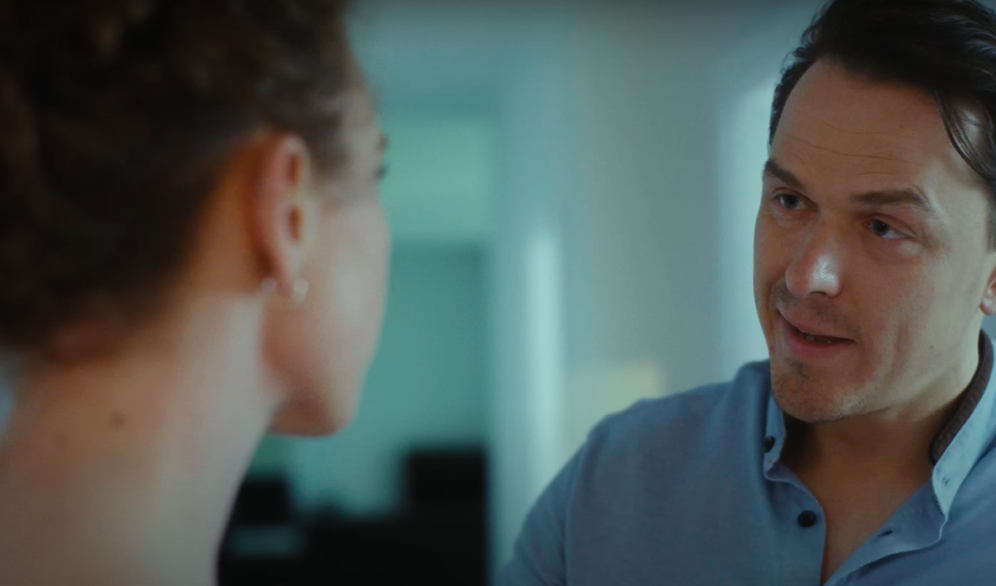
That evening, as dinner began, Diana watched Hamilton and Evie interact. They laughed, flirted subtly, and talked about working together. Diana felt sick with suspicion. She excused herself, returned with a bottle of expensive wine, and said with a chilling smile, “Let’s toast to family.”
Hamilton looked surprised. “To family?”
“Yes,” she replied, “and to what lies beneath the surface.” Her cryptic words made them both uneasy. Moments later, Evie began coughing violently.
“What did you do to the wine?” she gasped.
Diana stared calmly. “A special mix… Merlot with a hint of vengeance. Maybe even cyanide.”
As both Hamilton and Evie panicked, coughing and rushing to the bathroom, Diana stayed behind, finishing her meal with tears in her eyes. “Justice,” she whispered.
But the weight of what she’d done hit her like a tidal wave. She broke down, horrified. “What have I done?” she sobbed, reaching for her phone. She called 911—and then Dr. Carrey, confessing in despair.
When Dr. Carrey arrived, he found Diana collapsed by the bathroom door. “I poisoned them,” she wept. “I thought they betrayed me…”
But Dr. Carrey looked at her gently. “Diana, there’s no one here. You live alone.”
She stared at him in disbelief. He continued softly, “You’ve been alone for two years. Hamilton and Evie died in an accident. You survived, but lost your unborn child. You’ve created illusions to cope with the guilt.”
Diana’s world crumbled. She insisted she’d texted Evie, but the messages had been sent to herself. The baby’s cries? Her trauma echoing through her mind.
“It wasn’t your fault,” Dr. Carrey assured her. “You’re not a murderer. Your mind has tried to protect you. But it’s time to let go.”
The truth finally sank in. Diana broke down in tears—not from confusion, but from release. She hadn’t killed anyone. There was no toast, no poison, no betrayal. Only grief, heartbreak, and a desperate longing for closure.
One year later, Diana returned to Dr. Carrey’s office—not as a broken woman, but as someone beginning to heal. Her face, once burdened with sorrow, now held a glimmer of peace.
“I’m learning to live again,” she said. “To honor their memory—without guilt.”