
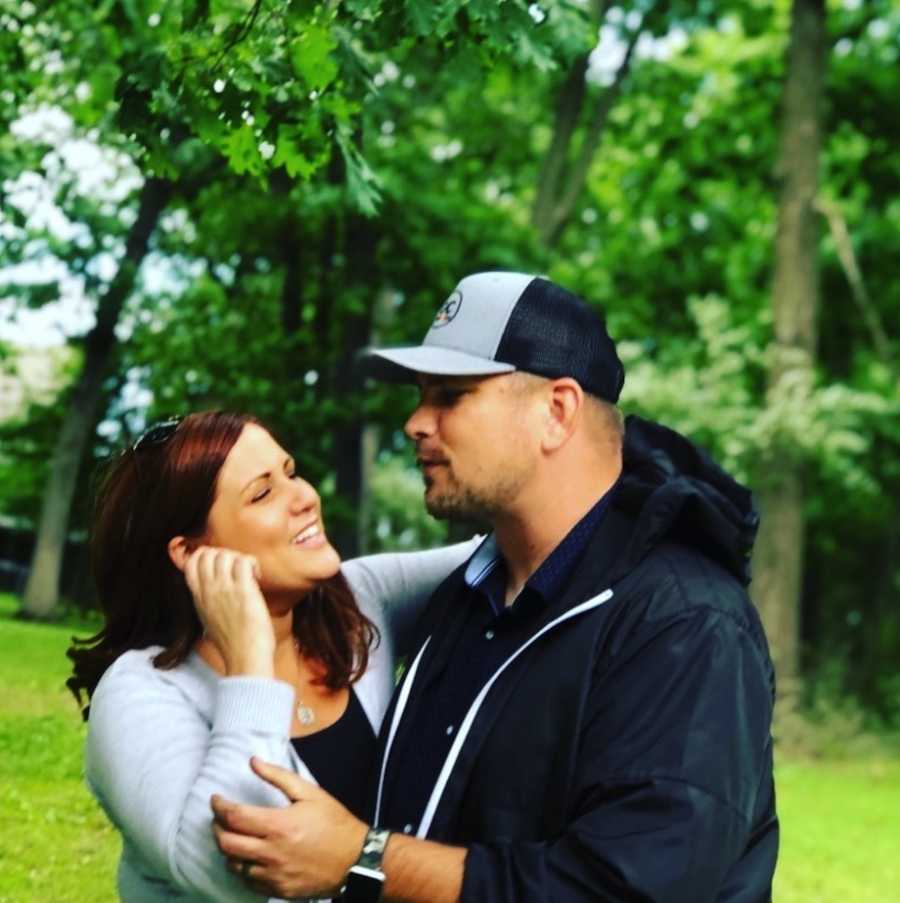
“Ever since I was a young girl, I dreamed of adopting. The idea that some children weren’t being loved would keep me up at night, even as a child. After being married for twelve years and having three biological children, that dream resurfaced. I began praying about it, and one morning I wrote in my journal, ‘God, should I adopt from another country or do foster care right here in my town?’
That same week, just as I was getting ready for bed, I got a call from the police station. A woman on the line told me that my ‘godchildren’ needed a home and had been taken in by DCFS. I remember asking, ‘Who are my godchildren?’ She explained they were the children of a woman who had visited our church about seven months earlier—my husband is the pastor.
Within thirty minutes, three little boys were at my doorstep. They had no belongings except for the clothes they wore—no toothbrushes, blankets, or even a familiar pillow. Their faces were full of fear: they were six, eight, and ten years old. The next day, two of them went to live with their biological father, but the six-year-old stayed with me for over a year. I loved him deeply. His father had just been released from prison, and he was doing everything he could to rebuild his life and be present for his son. He had a job and was willing to drive ten hours just to visit. I helped him reunite with his son.
That may seem unusual to some people, but to me, one of the greatest gifts you can give a child is a healthy, loving biological parent. That father truly deserved another chance. But the process is tough—when parents live in different states, foster care becomes as complicated as international adoption. It’s a long, challenging road.
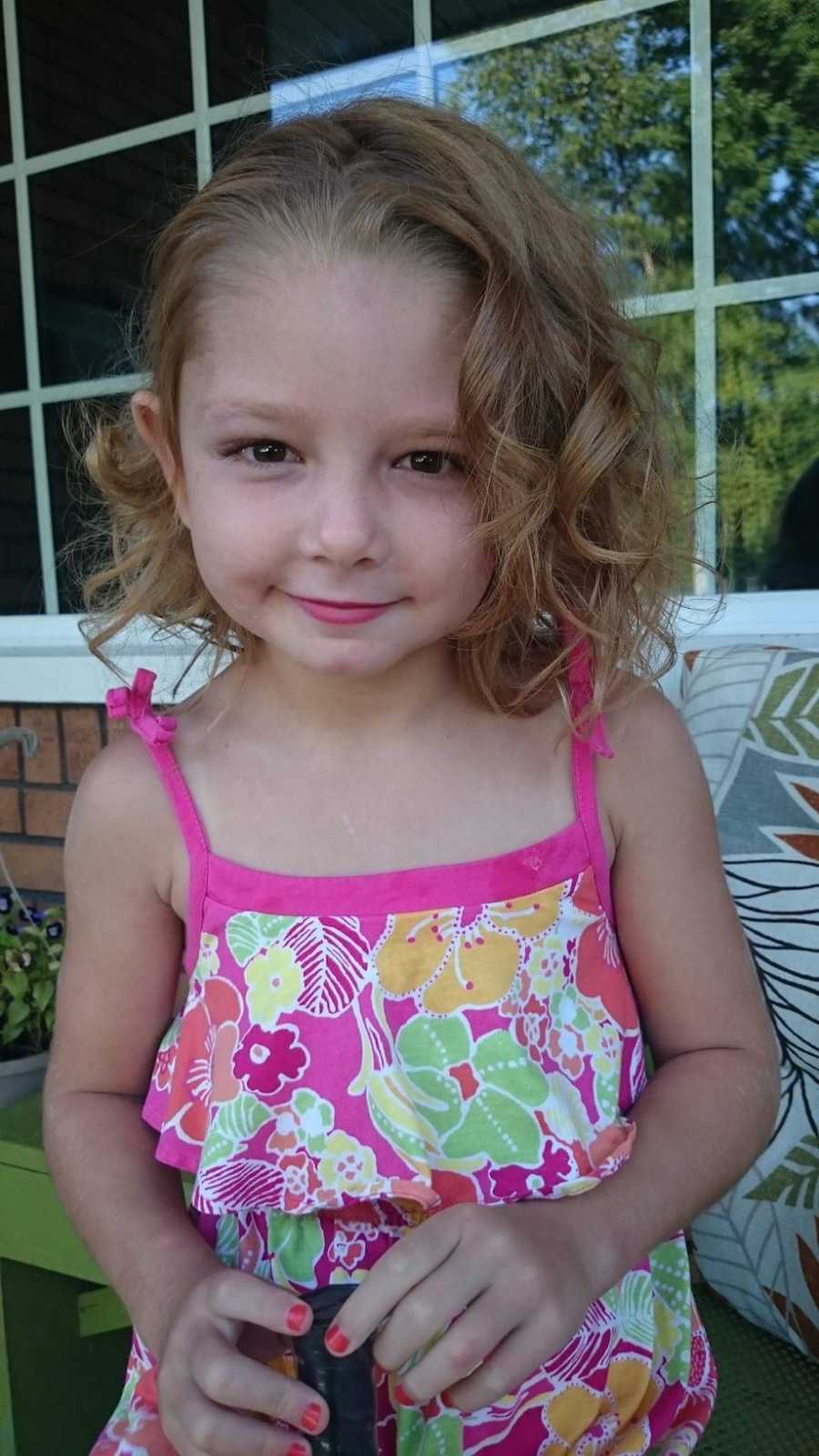
Eventually, my time with the boy came to an end, and I felt it coming. Then, I got a call to take in a five-year-old girl. She arrived that day carrying a garbage bag full of her clothes, which I had to leave outside on the porch. She had pinworms, head lice, and body lice. She’d come from a dirty foster home where she claimed she had to sleep on the floor. In just six weeks, she had been moved between more than five different homes. I told her she was beautiful and must be a very special little girl. Her response? ‘No, I cuss.’ I tried not to laugh.
Within thirty minutes, I was chasing her down the street, carrying her back to the house as she screamed. My neighbors came out to see what was happening—I just smiled and waved. She had gotten upset when I tried to treat her hair. It’s not ideal to do something like that the first time you meet a child, but I knew I had to handle it quickly or we’d all be miserable that week. She couldn’t express herself clearly most of the time. I had her only a few days before her sixth birthday and the start of the school year.
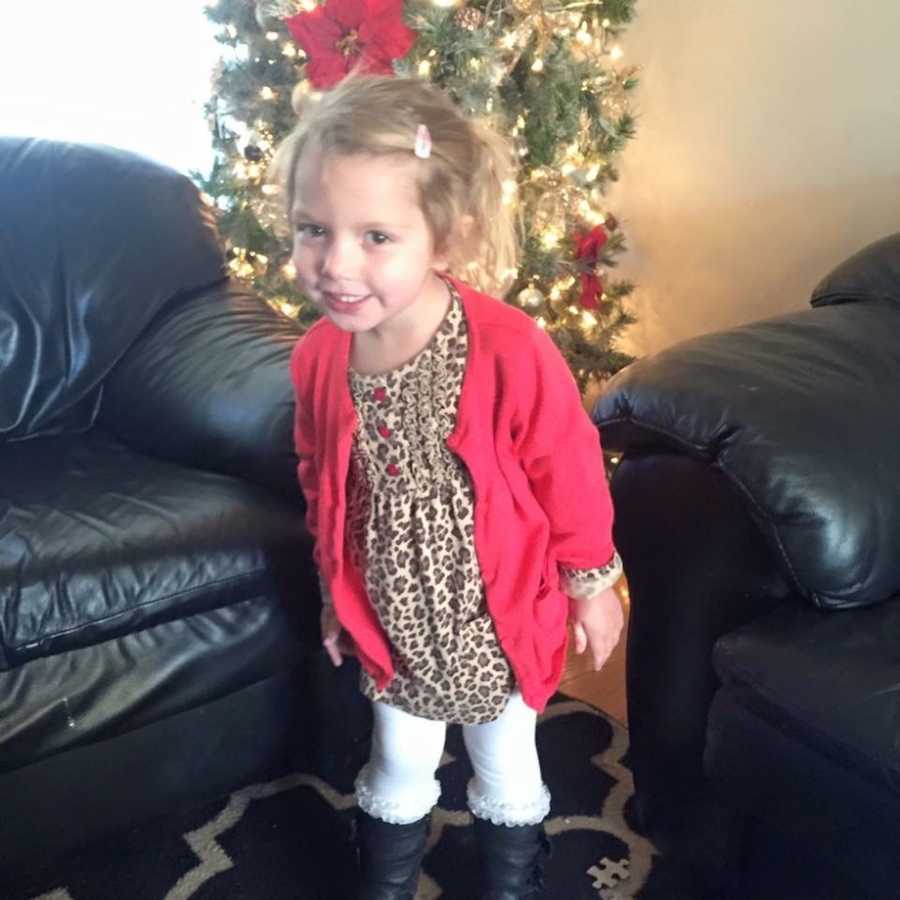
One thing I’ve learned is that a simple lunchbox can mean the world to a foster child. While we take things like fruit snacks and fun sandwiches for granted, she was absolutely thrilled to receive a Rainbow Dash lunchbox. Just two weeks later, I got a call to take in her two-year-old sister. I was told she didn’t speak much and had been staying with a relative. She had a broken arm and painful sores on her skin. She came during the day while her sister was at school.
She seemed frightened, but after a little while, she looked up at the wall of family photos and said, ‘Addy.’ She recognized her sister. I’ll never forget that moment—it’s what ignited my passion for keeping siblings together. Not long after, I started getting phone calls from the school. Her older sister was in first grade but couldn’t even trace the letter ‘L.’ She had accidents at school and wouldn’t change her clothes. We teamed up with her teacher and developed a plan. By the end of the year, she could read.
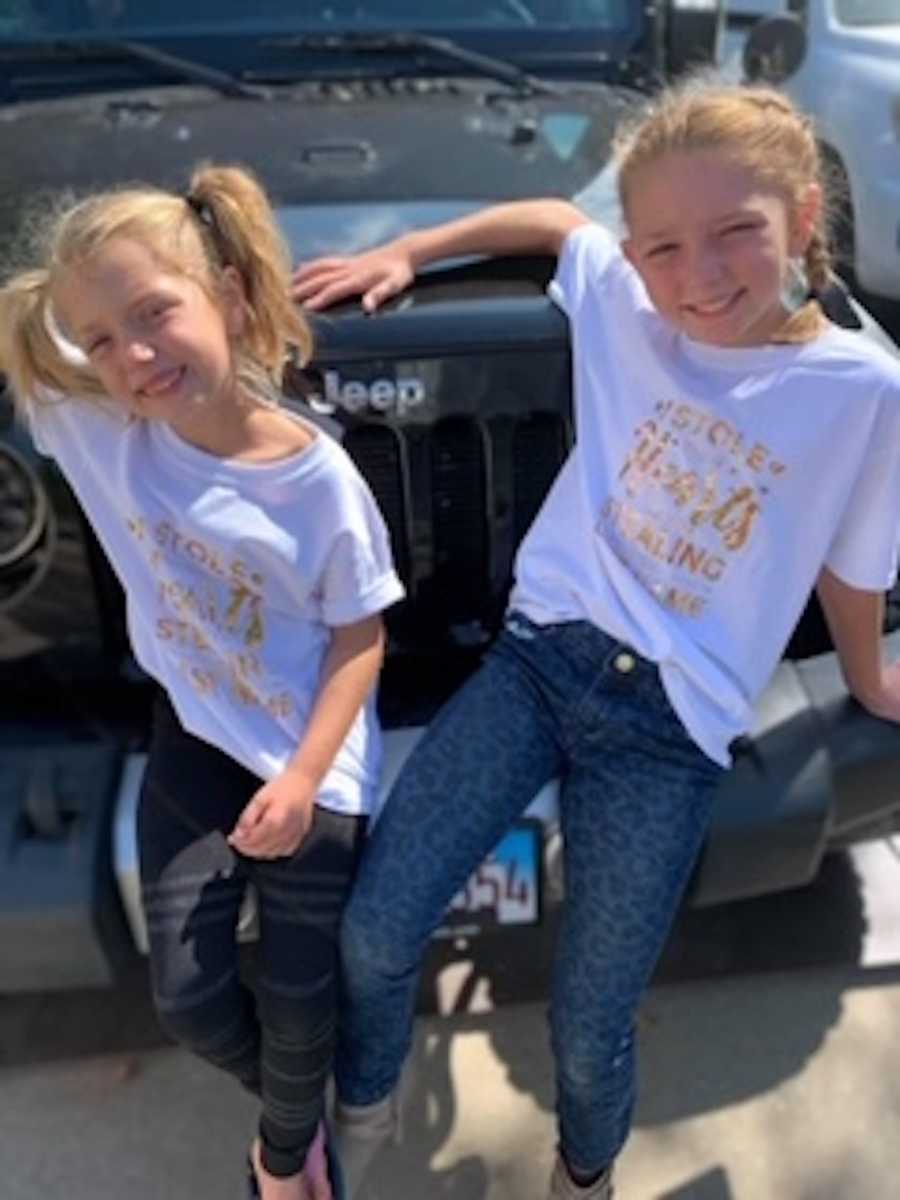
At school, they called her the “miracle child.” The teachers and social workers couldn’t believe the progress she had made in just one year. So many kids in foster care are five or more years behind emotionally. The next year, the girls’ birth mother voluntarily gave up her rights. Their father, who had been sentenced to 13 years in prison, tried to retain his parental rights, and the court battle dragged on for more than three years. While I support reunification with birth families when possible, you can’t parent from a prison cell. These kids deserve better.
We still keep in touch with their birth mom. She’s been in and out of rehab, but she loves her children, and we love her too. When she’s doing well, she comes to visit. I believe, when it’s safe, that maintaining a connection with biological parents can be valuable. Many adults with difficult childhoods tell me that just knowing their birth parents wanted them meant everything. That won’t be the case for every child, but it’s true for my girls.
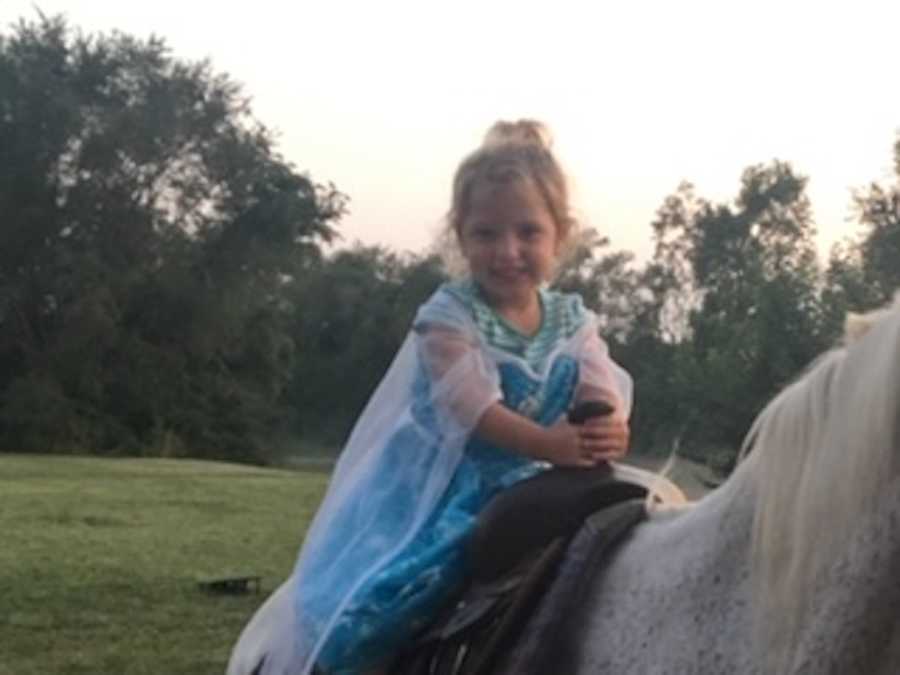
There have been so many beautiful moments that made the hard times worth it—like their first Christmas, when one of them got a princess dress, or our first trip apple picking. One of my favorite memories was their birthday party, where neighbors let us borrow horses. I remember one night when I was feeling sick, little Addy came in, read her favorite book to me, sang a song, and prayed over me.
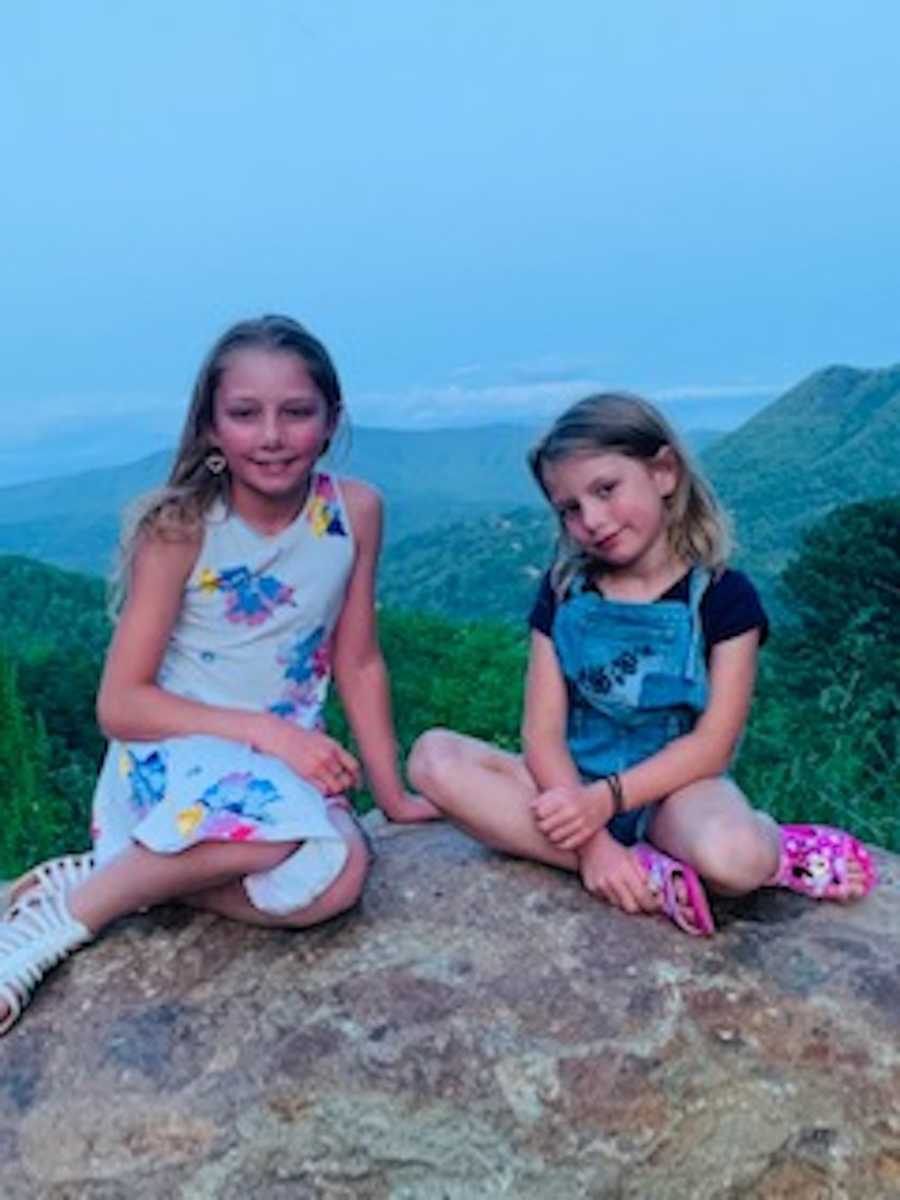
Our whole family has enjoyed vacations to the Smoky Mountains, nature hikes, and, last year, a cruise. Watching their faces light up as they saw the ocean for the first time and got to eat at the buffet at midnight brought us so much joy. Having five daughters means a lot of makeup, a lot of hair, and a whole lot of feelings!
Just a few weeks ago, our adoption lawyer informed us that everything had been finalized. The younger daughter asked if we could complete the adoption on her birthday—which was just a week away. Last week, both girls were officially adopted—five years after one of them first came to me with a broken arm—on her seventh birthday, thanks to the court’s decision.
We’re now a family of nine, although two of our older children have recently graduated and moved out. Depending on when you read this, that number might have changed. My goal has always been to reunite children with their families. No matter how difficult a child’s life has been, they almost always want to be with their parents. I remind myself constantly that their parents were once hurting children too—and far too often, nobody was there to help them.
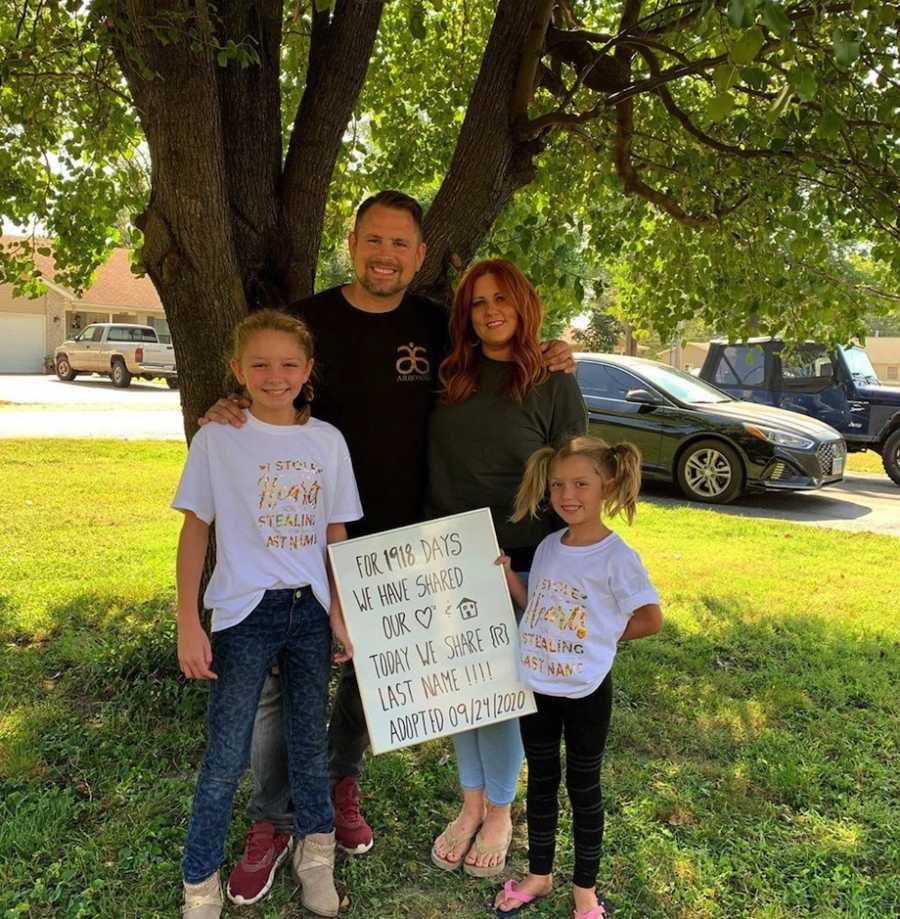
But when going back home is no longer an option, we choose to adopt. People often say to me, ‘I could never do what you do—I’d get too attached.’ And I always reply, ‘That’s exactly what these kids need. If you’re not getting attached, you’re doing it wrong.’ Children deserve to be deeply loved. I’d rather suffer through the heartbreak than let them keep suffering alone.”